
Foldable Smartphone Market Reaches Record High in Q3 2025
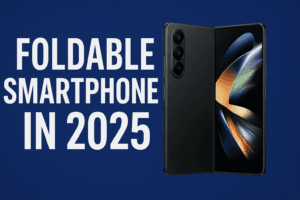
The foldable smartphone market achieved unprecedented success in Q3 2025, with global shipments growing 14% year-over-year to reach the highest quarterly volume ever recorded for this revolutionary device category. According to comprehensive market analysis from Counterpoint Research, foldable devices now account for 2.5% of total global smartphone shipments—a milestone that signals the transition from niche curiosity to mainstream acceptance. This remarkable growth reflects years of technological refinement, improved durability, and declining production costs that make foldable smartphones increasingly accessible to consumers worldwide.
Samsung maintains its commanding position at the forefront of the foldable smartphone market, capturing an impressive 64% market share in Q3 2025 through the successful launch of the Galaxy Z Fold 7 and Galaxy Z Flip 7 devices. This represents a substantial 32% year-over-year growth for the Korean manufacturer and marks a significant recovery after temporarily losing ground to competitors in previous quarters. As the foldable smartphone market prepares for potential disruption from Apple’s anticipated entry in 2026, industry dynamics are shifting rapidly with innovations like Samsung’s tri-fold concept and improvements across competing brands that promise to accelerate adoption throughout the coming years.
Samsung’s Dominance: Galaxy Z Series Drives Market Leadership
Samsung’s resurgence in the foldable smartphone market during Q3 2025 demonstrates the effectiveness of its latest product lineup and refined approach to foldable technology. The Galaxy Z Fold 7 exceeded market expectations with its thinner profile, lighter construction, and more durable hinge mechanism that addresses previous consumer concerns about reliability and longevity. The device’s success reflects years of iterative improvements that have transformed Samsung’s foldables from experimental concepts into refined products that compete effectively against traditional flagship smartphones.
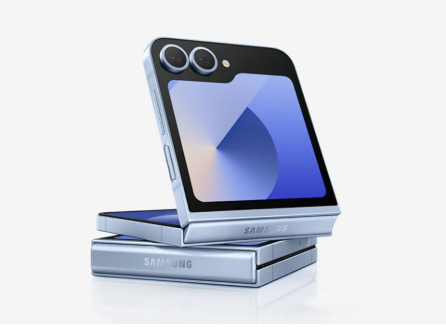
The Galaxy Z Flip 7 contributes equally to Samsung’s market leadership, appealing to fashion-conscious consumers and users seeking compact devices that expand into standard-sized phones when needed. This clamshell form factor has proven particularly popular among demographics that remember flip phones from the early 2000s while also attracting younger buyers drawn to the unique aesthetic and compact footprint. The combination of nostalgia and innovation creates a compelling value proposition that differentiates flip-style foldables from book-style alternatives.
“Samsung’s 64% market share in Q3 2025 represents not just volume leadership but also strategic positioning ahead of Apple’s anticipated entry into the foldable smartphone market, with the company’s tri-fold prototype demonstrating continued innovation leadership.”
Samsung’s recently unveiled Galaxy Z TriFold represents the company’s most ambitious foldable concept yet, featuring a display that unfolds twice to create a tablet-sized screen approaching 10 inches diagonal. While this device will ship in limited quantities initially, it serves strategic purposes beyond immediate sales—demonstrating Samsung’s technological capabilities, refining manufacturing processes for future products, and reinforcing the company’s innovation leadership as competition intensifies throughout the foldable smartphone market.
The comprehensive ecosystem Samsung has built around its foldable devices through One UI optimizations, exclusive software features, and integrated services creates switching costs that help retain customers within Samsung’s product family. Features like Flex Mode, multi-window capabilities, and S Pen support on the Z Fold series deliver functionality that competitors struggle to match, even when their hardware specifications appear comparable on paper.
Huawei and Motorola: Persistent Challengers
Despite Samsung’s dominant position, the foldable smartphone market demonstrates healthy competition from multiple manufacturers pursuing different strategies. Huawei secured the second position with a 15% market share, driven primarily by strong domestic demand in China where the company maintains significant brand loyalty despite challenges in Western markets. The Mate X series continues evolving with each generation, offering competitive features and aggressive pricing that resonate with Chinese consumers.
Huawei’s 10% year-over-year growth in the foldable smartphone market reflects steady progress despite the geopolitical and supply chain constraints the company faces. The manufacturer’s vertical integration capabilities and access to domestic component suppliers allow it to maintain competitive pricing while incorporating premium features. However, the lack of Google Mobile Services in many markets limits Huawei’s ability to expand beyond regions where alternative app ecosystems prove sufficient for user needs.
Motorola achieved a respectable 7% market share with 16% year-over-year growth, powered primarily by its Razr 60 series that targets the clamshell segment with competitive pricing and modern features. The company’s approach emphasizes design refinement and user experience over specification wars, creating devices that feel polished and cohesive despite not always matching competitors in raw hardware capabilities. Motorola’s partnership with Lenovo provides manufacturing scale and distribution channels that smaller players struggle to access.
The Motorola Razr lineup benefits from brand recognition that predates the smartphone era, evoking nostalgia for the iconic RAZR flip phone that defined an entire generation of mobile devices. This emotional connection, combined with competitive pricing and modern technology, positions Motorola’s foldables as accessible entry points for consumers curious about folding phones but hesitant to commit four-figure sums to experimental device categories.
Book-Style vs Flip-Style: Format Preferences Shape Market
The foldable smartphone market divides primarily between two form factors that serve distinct use cases and appeal to different customer segments. Book-style devices like Samsung’s Galaxy Z Fold series and Huawei’s Mate X phones prioritize productivity and content consumption, offering tablet-sized internal displays that enable serious multitasking, document editing, and media viewing. These devices accounted for 62% of foldable shipments in 2024, reflecting their appeal to power users and professionals.
Book-style foldables’ larger internal screens typically measure between 7-8 inches diagonal, providing sufficient real estate for running multiple applications simultaneously in split-screen configurations. This capability transforms smartphones into portable productivity devices that can reasonably substitute for tablets or even lightweight laptops for certain workflows. The addition of stylus support on Samsung’s Z Fold series further enhances utility for creative professionals, note-takers, and anyone requiring precise input.
Flip-style devices pursue a different value proposition, emphasizing compactness and style over maximum screen area. When folded, these phones fit easily into small pockets and purses, addressing a pain point that traditional smartphones have exacerbated as screen sizes continue growing. The external cover displays on modern flip phones have evolved from simple notification screens into fully functional secondary displays capable of handling many tasks without requiring the device to unfold.
The clamshell segment of the foldable smartphone market is experiencing faster growth at a projected 33.4% CAGR as manufacturers target broader demographics with lower price points and fashion-forward designs. These devices appeal particularly to consumers who prioritize portability and aesthetics over maximum productivity features, creating a complementary market segment that expands the total addressable audience for foldable technology beyond early adopters and technology enthusiasts.
Durability Improvements Drive Mainstream Adoption
Early skepticism about foldable smartphones centered primarily on durability concerns—would the flexible displays and complex hinge mechanisms withstand years of repeated folding without developing creases, dead pixels, or mechanical failures? The foldable smartphone market’s growth in 2025 reflects manufacturers’ success at addressing these concerns through material science advances and engineering refinements that deliver genuinely robust devices.
Samsung’s latest Galaxy Z generation incorporates Ultra-Thin Glass (UTG) that tolerates more than 200,000 fold cycles—equivalent to folding and unfolding the device 100 times daily for over five years. This exceptional durability surpasses the practical lifespan that most users maintain smartphones, effectively eliminating durability as a barrier to adoption for typical use patterns. The reinforced glass also provides a more premium tactile experience compared to the plastic film displays used in earlier foldable generations.
“Manufacturing improvements in Ultra-Thin Glass production have raised yield rates while enabling tougher cover layers, with Motorola’s 2025 Razr family using titanium backbone construction that increases hinge endurance by 35% while achieving IP48 water and dust resistance certification.”
Water and dust resistance represents another crucial milestone for the foldable smartphone market. Motorola’s IP48 certification on the 2025 Razr lineup and Samsung’s IPX8 rating on the Z Fold and Z Flip series demonstrate that folding mechanisms no longer require compromising environmental sealing. While these ratings don’t match the IP68 protection standard on premium traditional smartphones, they provide sufficient safeguards against everyday exposure to moisture and particulates.
The visible crease that appears along the fold line of internal displays has diminished significantly through improved manufacturing techniques and material selection. While completely eliminating the crease remains an engineering challenge, modern foldables feature far less pronounced creases that become virtually invisible during normal viewing. Most users report that they stop noticing the crease after brief adjustment periods, similar to how people adapt to notches or punch-hole cameras on traditional smartphones.
Price Trajectory: Moving Toward Accessibility
Pricing remains the most significant barrier preventing broader foldable smartphone market penetration, with most devices commanding premium prices that limit their appeal to affluent consumers and technology enthusiasts. However, encouraging trends suggest that foldable pricing is gradually becoming more accessible as manufacturing scales improve and component costs decline through technological maturation and supply chain optimizations.
The $1,500-1,999 price tier captured 48% of the foldable smartphone market in 2024, reflecting the current sweet spot where manufacturers balance premium positioning with achievable volume sales. Devices in this range deliver flagship specifications, refined build quality, and comprehensive feature sets that justify the premium over traditional smartphones. Samsung’s Z Flip series and Motorola’s Razr lineup typically occupy this segment, offering foldable experiences at prices approaching high-end conventional flagships.
Sub-$1,000 foldable smartphones represent the fastest-growing segment with a projected 32.4% CAGR as manufacturers explore value-oriented approaches that bring folding technology to broader audiences. Devices at this price point require compromises—perhaps using previous-generation processors, reducing camera specifications, or limiting storage and RAM configurations—but they remove the psychological barrier that prevents many consumers from considering foldables seriously.
Chinese manufacturers including Xiaomi, Oppo, and others have proven particularly aggressive at delivering value-focused foldables that incorporate modern features at accessible prices. While these devices often lack the premium materials and comprehensive software optimizations found in Samsung’s lineup, they serve the crucial function of expanding the foldable smartphone market beyond early adopters into more price-sensitive demographics where volume sales ultimately drive industry growth.
Enterprise Adoption: Emerging Growth Driver
While consumers dominate the foldable smartphone market with 95% share in 2024, enterprise uptake represents the fastest-growing subsegment at 31% CAGR. Businesses in logistics, field services, healthcare, and other mobile-dependent industries are discovering that foldables’ combination of portability and expanded screen real estate delivers genuine productivity benefits that justify premium pricing.
Field technicians benefit from book-style foldables that display detailed schematics, service manuals, and diagnostic information on tablet-sized screens while remaining pocketable during active work. Healthcare professionals appreciate the ability to review patient records and medical imaging on larger displays without carrying separate tablets. Sales representatives use foldables to present product information and close deals more effectively through enhanced visual presentations.
Enterprise deployments provide stable, predictable revenue streams that help manufacturers justify continued investment in foldable technology development. Business customers typically upgrade on regular refresh cycles, maintain devices more carefully than consumer users, and prioritize reliability over cutting-edge features—characteristics that align well with the foldable smartphone market’s current maturity level. As durability continues improving and total cost of ownership calculations become more favorable, enterprise adoption will likely accelerate throughout 2026 and beyond.
Regional Markets: Growth Patterns Vary Globally
The foldable smartphone market demonstrates significant regional variation in adoption rates, pricing dynamics, and format preferences. Asia-Pacific, particularly China, South Korea, and Japan, represents the most developed market for foldables with relatively high penetration rates and consumer familiarity. Strong domestic brands, cultural affinity for technology innovation, and willingness to pay premiums for cutting-edge devices drive robust demand in these markets.
North America and Western Europe show increasing interest in foldables as durability concerns diminish and product awareness grows through carrier promotions and retail displays. However, these markets remain more conservative in adoption patterns, with consumers typically waiting for technology maturation rather than embracing first-generation products. The anticipated entry of Apple into the foldable smartphone market in 2026 could dramatically accelerate adoption in these regions where brand loyalty to the iPhone ecosystem remains strong.
Emerging markets face different dynamics, with foldable pricing far exceeding what most consumers can afford despite strong interest in innovative technology. As manufacturing costs decline and older-generation foldables receive price reductions, these markets will likely see growing adoption of previous flagship models that deliver folding experiences at more accessible prices. This cascading effect—where yesterday’s premium devices become tomorrow’s mainstream options—will expand the total addressable market significantly.
Carrier partnerships play crucial roles in foldable smartphone market growth across all regions. Subsidized pricing through installment plans reduces the immediate financial burden of $1,500+ devices, making them accessible to consumers who couldn’t afford full upfront payment. Trade-in programs that offer generous credit for conventional smartphones further reduce the effective cost of upgrading to foldables, accelerating the transition from traditional form factors.
Apple’s Anticipated Entry: Market Disruption on the Horizon
The most significant factor poised to reshape the foldable smartphone market in 2026 is Apple’s long-rumored entry with its first folding iPhone. While Apple has characteristically remained silent about its plans, industry analysts expect the company to debut a foldable device in the second half of 2026, potentially transforming market dynamics through its massive customer base and ecosystem influence.
Apple’s entry would validate foldable technology for millions of consumers who trust the company’s judgment about which innovations merit mainstream adoption. The iPhone manufacturer has historically avoided first-mover risks, preferring to refine existing technologies rather than pioneer entirely new categories. If Apple believes foldables have matured sufficiently to meet its quality standards, that vote of confidence will likely trigger accelerated adoption across the broader smartphone market.
The competitive impact on existing players could prove substantial. Samsung, despite its current dominance, faces the prospect of competing against a brand with exceptional ecosystem lock-in and customer loyalty. Many iPhone users express reluctance to switch operating systems regardless of hardware innovations, suggesting Apple’s foldable could capture demand that would otherwise flow to Android alternatives. The foldable smartphone market could shift from Samsung-dominated to a more balanced competition between two technology giants.
Apple’s typical pricing strategy—premium positioning with limited options—suggests its foldable iPhone will likely target the high end of the market rather than competing on value. This approach could actually benefit existing players like Motorola and Chinese manufacturers who focus on more accessible pricing tiers. The expanded attention that Apple brings to the category through its marketing prowess and media coverage will likely lift demand across all price points, creating opportunities for brands positioned to serve segments that Apple doesn’t address.
Manufacturing and Supply Chain Evolution
The foldable smartphone market’s growth depends critically on continued advancement in manufacturing capabilities and supply chain maturity. Display production represents the primary constraint, with only a handful of manufacturers capable of producing flexible OLED panels at the quality and scale required for mainstream device production. Samsung Display dominates this supply chain, producing screens for its own devices while also supplying competitors—a position that provides significant strategic advantages.
Yield rates for flexible displays have improved dramatically from the early generations where manufacturing defects affected significant percentages of panels. Modern production lines achieve yields approaching conventional smartphone displays, reducing per-unit costs while improving availability. Continued refinement of manufacturing processes, equipment automation, and material handling will drive further cost reductions that enable more aggressive pricing throughout the foldable smartphone market.
Hinge mechanisms require precision engineering and durable materials capable of withstanding hundreds of thousands of fold cycles without degradation. Manufacturers have developed increasingly sophisticated hinge designs incorporating multiple synchronized gears, springs, and dampers that provide smooth operation while maintaining tight tolerances. The mechanical complexity adds cost and manufacturing challenges, but successive generations demonstrate clear progress toward reliability that matches or exceeds conventional smartphone components.
Battery technology presents unique challenges for foldables due to the unusual shapes required to fit within folding chassis designs. Manufacturers employ multiple battery cells arranged strategically around hinge mechanisms, requiring sophisticated power management systems to balance charging and discharging across cells. Silicon-carbon battery chemistry adopted by recent devices like the OnePlus 13 offers higher energy density in compact packages, potentially enabling larger capacity batteries in future foldable designs without adding weight or thickness.
Software Optimization: Maximizing Foldable Potential
Hardware innovation in the foldable smartphone market must be matched by software optimization that takes full advantage of unique form factors and capabilities. Samsung’s One UI leads the industry in foldable-specific features including Flex Mode for partially folded devices, sophisticated multi-window management, and app continuity that seamlessly transitions applications between cover and internal displays without interruption.
Google has enhanced Android itself with improvements specifically targeting foldable and large-screen devices. Android 16 introduces desktop windowing mode that enables genuine laptop-like productivity on tablet-sized foldable screens, taskbar overflow for managing multiple running applications, and custom keyboard shortcuts that accelerate workflows when physical keyboards are connected. These platform-level enhancements benefit all Android foldables regardless of manufacturer.
Application developers face the challenge of optimizing their software for multiple screen configurations, aspect ratios, and use cases that foldables enable. Many popular applications now support foldable-specific features including dual-pane layouts that display related content side-by-side, responsive designs that adapt seamlessly as devices fold and unfold, and continuity features that maintain application state during screen transitions. However, comprehensive optimization across the entire app ecosystem remains an ongoing effort.
The foldable smartphone market’s long-term success depends partly on developers embracing these devices as first-class platforms deserving dedicated optimization rather than treating them as edge cases requiring minimal accommodation. As foldable market share grows and development tools improve, more applications will likely implement sophisticated features that genuinely leverage the unique capabilities these form factors provide.
Future Outlook: Accelerating Growth Through 2026 and Beyond
Market analysts project that the foldable smartphone market will experience meaningful acceleration in 2026, driven by Apple’s entry, continued hardware improvements from existing players, and declining prices that expand accessibility. Full-year 2025 shipments are tracking toward steady mid-teens year-over-year growth, establishing a foundation for more dramatic expansion as market conditions become increasingly favorable.
The foldable smartphone market is expected to reach $31.30 billion in 2025 and grow at a CAGR of 30.59% to reach $118.87 billion by 2030, according to comprehensive market research. This aggressive growth projection reflects the transition from niche product category to mainstream option as prices decline, durability improves, and the value proposition becomes more compelling for average consumers rather than just early adopters and technology enthusiasts.
“Foldable smartphones are projected to expand from 2.5% of global smartphone shipments in Q3 2025 to potentially 8-10% by 2028, driven by technological maturation, expanding product lineups across price points, and Apple’s validation of the category through its anticipated market entry.”
Tri-fold devices represent the next potential innovation frontier for the foldable smartphone market, with Samsung and Huawei both demonstrating prototypes that unfold twice to create screens approaching 10 inches diagonal. While these devices will likely remain niche products due to their complexity and pricing, they demonstrate continued innovation and provide aspirational products that maintain brand prestige while advancing technological boundaries.
Rollable smartphones—devices featuring displays that extend outward rather than folding—represent another form factor under development by multiple manufacturers. These devices could offer expandable screen real estate without the visible crease that remains inherent to folding designs, though the mechanical complexity of reliable rolling mechanisms poses significant engineering challenges. If successfully commercialized, rollables could carve out their own segment within the broader foldable smartphone market.
Conclusion: From Innovation to Mainstream Acceptance
The foldable smartphone market’s record-breaking performance in Q3 2025 represents a watershed moment in the category’s evolution from experimental concept to viable mainstream option. With 14% year-over-year growth, 2.5% market share of total smartphone shipments, and continued innovation from multiple manufacturers, foldables are definitively transitioning beyond the early adopter phase toward broader consumer acceptance.
Samsung’s commanding 64% market share reflects years of persistent investment in foldable technology despite initial skepticism and slow adoption. The company’s success validates its strategy of iterative improvement and comprehensive ecosystem development rather than waiting for perfection before market entry. As Apple prepares to enter the category and Chinese manufacturers continue aggressive expansion, competition will intensify while driving continued innovation that benefits all consumers.
The path forward for the foldable smartphone market involves addressing remaining barriers including pricing, battery life optimization, application ecosystem maturation, and consumer education about durability improvements. As these challenges receive continued attention and technological advances enable better solutions, foldables will increasingly represent genuine alternatives to traditional smartphones rather than curiosities for enthusiasts. The next few years will determine whether foldables remain a premium niche or become standard options across all price tiers.
For comprehensive coverage of foldable smartphone developments, market trends, and device reviews, follow trusted technology news sources that track this rapidly evolving category. Stay informed about new releases, manufacturer announcements, and industry analysis that helps you understand how foldable technology continues transforming the mobile computing landscape.