
Android 16 QPR3 Beta Preview: What’s Coming to Your Phone in March 2026
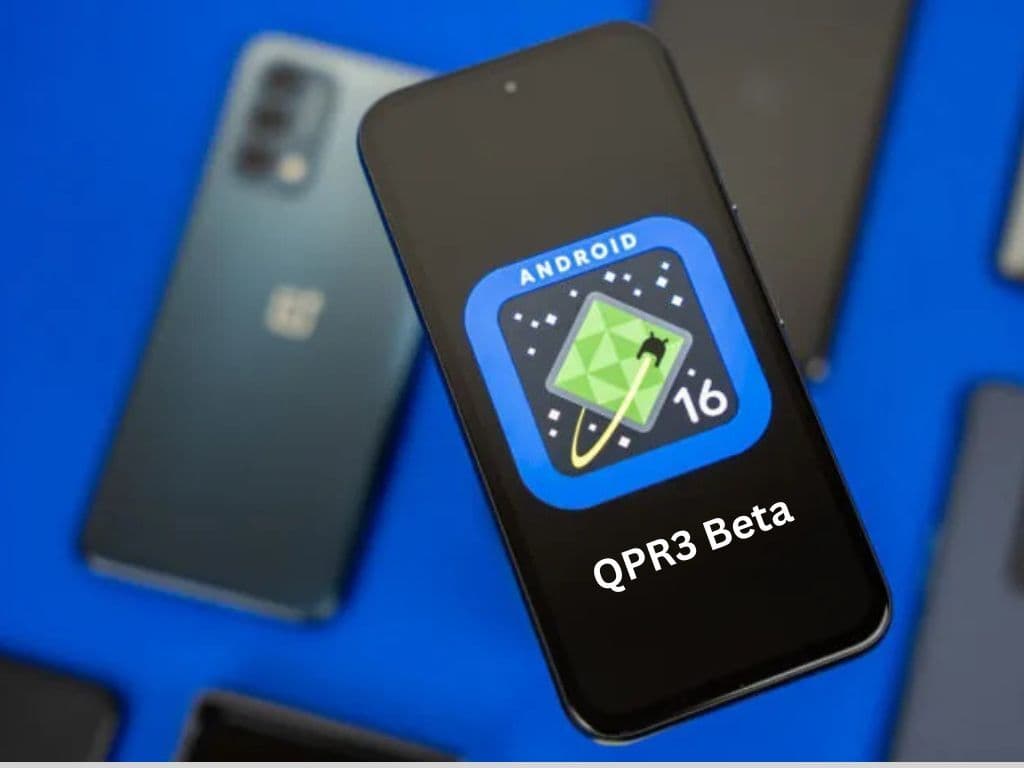
Google launched the Android 16 QPR3 beta program in late January 2026, giving enthusiasts and developers early access to features scheduled for stable release in March’s Pixel Feature Drop. This quarterly platform release introduces notification management refinements, enhanced privacy controls, improved desktop windowing for tablets and foldables, developer tools enabling richer application experiences, and under-the-hood optimizations that improve performance and battery efficiency across compatible devices.
Unlike major Android version updates that introduce sweeping changes requiring extensive app compatibility testing, Quarterly Platform Releases focus on additive improvements that enhance existing functionality without disrupting established user workflows or breaking application compatibility. The QPR3 beta provides preview of how Google continuously evolves Android between annual releases, delivering value throughout device lifecycles rather than concentrating innovation into single yearly updates.
Notification History Gets Powerful Search
The standout user-facing improvement in Android 16 QPR3 addresses a persistent frustration: finding specific notifications after dismissing them too quickly or accidentally swiping away important alerts before fully reading their content. The enhanced Notification History now includes robust search functionality enabling users to locate dismissed notifications by keywords, app names, time ranges, or content snippets rather than manually scrolling through chronological lists hoping to spot relevant entries.
This searchable history proves invaluable when you remember receiving notification about package delivery, appointment confirmation, or important message but can’t recall exact timing or which app generated the alert. Simply searching for keywords like “package,” “appointment,” or sender names surfaces relevant notifications instantly rather than requiring tedious manual review of hundreds of dismissed alerts accumulated over days or weeks.
The search implementation respects privacy by processing queries entirely on-device without transmitting notification content to Google servers. Your dismissed notifications, message previews, and alert history remain local ensuring sensitive information never leaves your phone even while benefiting from powerful search capabilities that make notification history genuinely useful rather than merely archival feature few users actively engage with currently.
Google also refined the notification history interface with improved categorization, clearer timestamps, and better visual distinction between different notification types. These interface improvements make scanning notification history easier even without search, addressing the cluttered, difficult-to-parse presentation that characterized earlier implementations and discouraged users from attempting to locate specific historical alerts.
Enhanced Privacy Dashboard and Permission Controls
Android 16 QPR3 expands the Privacy Dashboard with more granular insights into which apps access sensitive permissions and when those accesses occur throughout your day. The refined interface provides timeline views showing exact moments when applications accessed your location, camera, microphone, or other protected resources, helping identify apps that access permissions more frequently than you expected or at unexpected times suggesting potential privacy concerns.
New permission types join the dashboard including network activity monitoring that reveals which apps consume significant data in background, potentially indicating unwanted behavior like excessive analytics tracking or undisclosed data transmission to remote servers. Users concerned about privacy can review this information making informed decisions about which apps deserve continued trust versus which exhibit suspicious behavior warranting investigation or removal.
The permission revocation controls receive improvements allowing users to establish time-based access grants. You might allow a navigation app to access location while actively using the app but automatically revoke permission after 24 hours of inactivity, preventing the app from continuously tracking your whereabouts during periods when you’re not actively navigating. This temporal permission model balances functionality with privacy, enabling necessary access without granting permanent unrestricted permissions.
For developers, the QPR3 release introduces new APIs enabling contextual permission requests that explain why apps need specific access before prompting users. Research shows users more willingly grant permissions when they understand justification, so these developer tools help create transparent interactions where apps clearly communicate their data needs rather than blindly requesting access hoping users approve without understanding implications.
Desktop Windowing Improvements for Large Screens
Google continues refining desktop windowing mode introduced in Android 16, addressing early implementation limitations and expanding capabilities based on user feedback from tablets and foldable phone owners who’ve adopted the laptop-like multitasking environment. The QPR3 update introduces window snapping improvements, enhanced taskbar functionality, better keyboard shortcut support, and application compatibility refinements ensuring more apps work properly in windowed configurations.
The improved window snapping now supports quarter-screen layouts enabling four simultaneous application windows arranged in grid pattern rather than limiting users to side-by-side dual-app configurations. This expanded flexibility particularly benefits large tablets where 12+ inch displays provide sufficient space for comfortable quad-app viewing without windows becoming too cramped for practical use.
Keyboard shortcuts receive comprehensive expansion with customization options allowing users to define personal hotkeys for frequently performed actions. Power users can create shortcuts launching specific applications, arranging windows in preferred layouts, switching between virtual desktops, or triggering system functions—transforming Android tablets into genuine productivity devices matching traditional laptop capabilities through keyboard-centric navigation that reduces reliance on touch inputs.
Application compatibility improvements ensure more Android apps properly handle window resizing, maintain proper state when dragged between different screen configurations, and correctly restore window positions after device rotation or fold state changes on foldable devices. These refinements address early desktop windowing frustrations where apps would crash, display incorrectly, or lose content when users attempted to resize or reposition windows.
Audio and Media Enhancements
Android 16 QPR3 introduces spatial audio improvements benefiting users with compatible headphones or earbuds. The enhanced head tracking algorithms provide more responsive, natural-feeling positional audio that maintains proper directionality as you move your head, creating immersive experiences during movie watching or gaming sessions where audio positioning enhances content engagement.
The media player controls receive visual refinement with improved album art display, clearer playback controls, and better integration with lockscreen and notification shade interfaces. Quick settings tiles gain media session controls enabling fast switching between multiple playing sources without navigating through multiple interface layers to locate specific playback you want to control.
Bluetooth audio codec support expands with additional LDAC optimizations improving wireless audio quality on compatible devices. The codec selection interface becomes more transparent, showing which codec is actively in use and explaining quality versus battery life trade-offs helping users make informed decisions about whether maximum audio fidelity justifies increased power consumption during specific listening scenarios.
Developer Features and API Additions
The QPR3 beta introduces developer-focused improvements enabling richer application experiences and better platform integration. New APIs support advanced widget functionality allowing developers to create interactive home screen widgets that respond to user inputs without launching full applications, enabling quick actions like marking tasks complete, controlling smart home devices, or composing short messages directly from home screen.
The camera APIs receive enhancements supporting ultra-wide angle video recording with stabilization, improved low-light video capture, and better integration with external camera accessories. These additions enable camera-focused applications to leverage full hardware capabilities available in flagship Android devices, closing feature gaps that sometimes prevented Android camera apps from matching capabilities available to iOS developers.
Predictive back gesture animations become mandatory for new applications targeting Android 16, ensuring consistent navigation experiences across all apps rather than the current mixed implementation where some apps support the feature while others ignore it entirely. This mandated adoption creates smoother, more predictable navigation patterns helping users understand exactly which screen they’ll return to before committing to back gestures.
Performance and Battery Optimizations
Google’s continued focus on Android Runtime optimizations delivers measurable performance improvements in QPR3 beta through refined memory management, improved garbage collection algorithms, and better CPU scheduling that allocates processing resources more intelligently based on application priorities and user activity patterns.
Battery life improvements result from smarter background process restrictions that identify apps unnecessarily consuming resources when not actively in use. The system learns which background activities provide genuine value versus which represent wasteful resource consumption, automatically restricting the latter while permitting necessary background tasks ensuring critical notifications and updates continue functioning properly.
Thermal management receives attention with algorithms better predicting when devices approach concerning temperatures, proactively reducing non-essential background activities before heat buildup forces emergency throttling that dramatically impacts user-facing performance. This predictive approach maintains better sustained performance during intensive tasks compared to reactive throttling that allows temperatures to climb before intervening.
Beta Program Participation and Feedback
Users can join the Android 16 QPR3 beta program through the Android Beta Program website, enabling beta update delivery to compatible Pixel devices. Participation involves accepting that beta software inherently carries greater instability risk than stable releases, with potential bugs, unexpected behavior, or occasional issues requiring troubleshooting that stable software typically avoids.
Beta testers provide valuable feedback helping Google identify and resolve issues before stable release reaches broader user base. The feedback mechanism built into beta builds enables reporting problems directly from affected devices, providing Google’s engineering team with diagnostic information necessary for understanding and fixing reported issues efficiently.
Users experiencing significant problems with beta builds can easily revert to stable Android versions, though the downgrade process requires factory reset that erases all device data. This limitation means beta participation works best for users who maintain current backups and can afford potential disruption if beta software proves too unstable for their daily usage requirements.
March Stable Release Timeline
The Android 16 QPR3 stable release is scheduled for March 2026, coinciding with the quarterly Pixel Feature Drop that brings new capabilities to Google’s smartphone lineup. The stable version will incorporate feedback gathered during beta testing, fixing identified issues and refining features based on real-world usage patterns that lab testing cannot fully simulate.
Pixel devices receive the stable QPR3 update first, with broader Android ecosystem distribution depending on manufacturer customization timelines and carrier approval processes. Samsung, OnePlus, and other major manufacturers typically integrate quarterly platform releases into their own update schedules within several weeks of Google’s stable release, though exact timing varies based on device models and regional factors.
What Beta Testing Reveals About Android’s Future
The QPR3 beta provides insight into Google’s development priorities and the direction Android is evolving throughout 2026 and beyond. The emphasis on privacy transparency, desktop windowing refinement, and developer API expansion suggests Google recognizes Android must excel across diverse form factors from compact phones through tablets to foldables while maintaining privacy commitments that address growing consumer concerns about data collection and tracking.
The continuous improvement model represented by quarterly platform releases demonstrates Google’s commitment to maintaining Android relevance against competitors through regular feature additions rather than forcing users to wait extended periods for innovation concentrated into annual major updates. This approach keeps Android feeling fresh and continuously improving throughout device ownership rather than stagnating between yearly releases.
For comprehensive Android beta coverage and platform development tracking, follow official Android developer documentation and technology sources monitoring Google’s continuous platform evolution throughout 2026.