
How to Turn Product Updates Into PR Opportunities
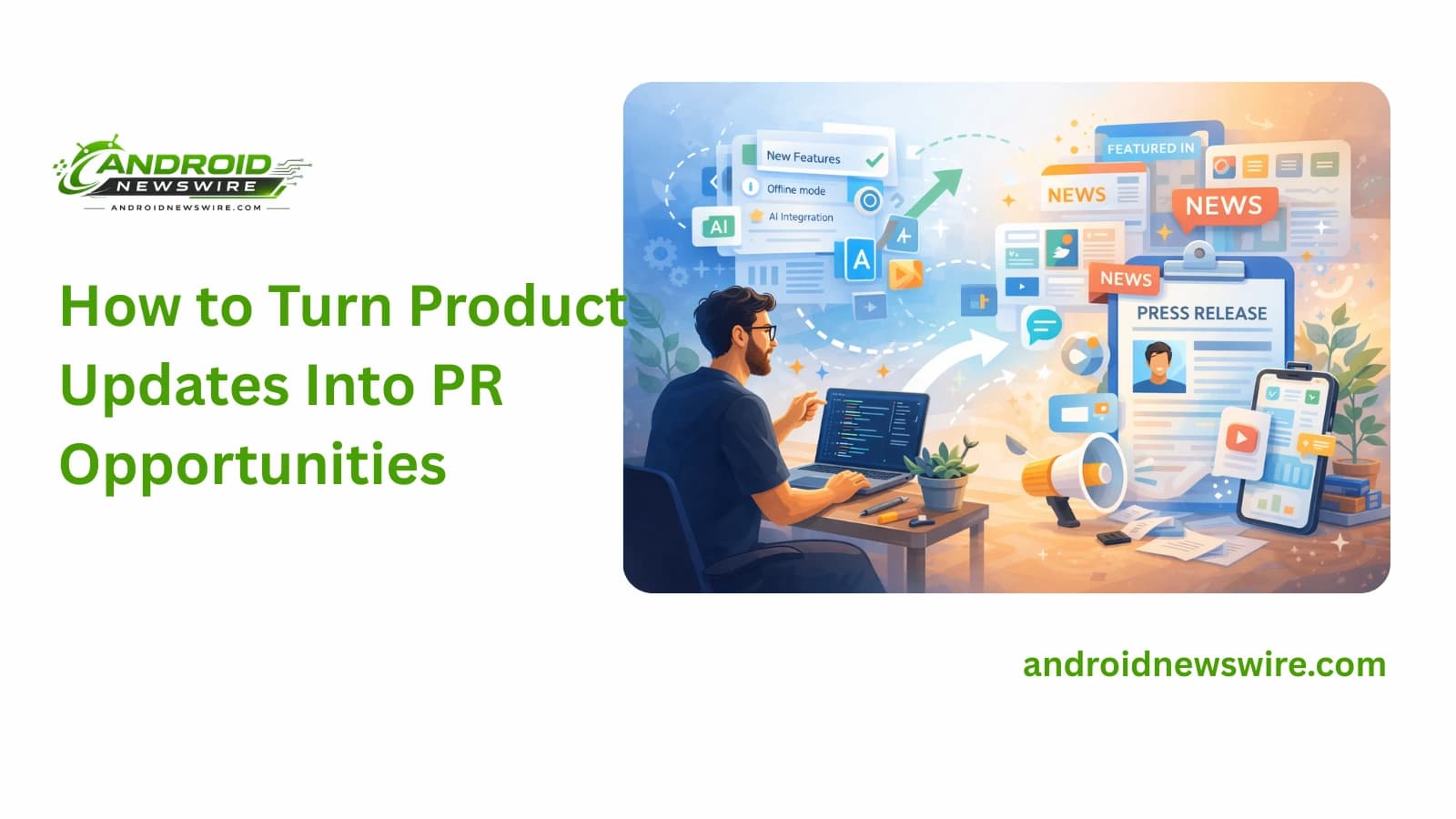
Many developers think PR only applies to big launches. But in reality, sustained visibility comes from smaller, consistent stories. Every meaningful product update is an opportunity to generate media attention — if you frame it correctly. Many successful app launches and updates gain traction on platforms like Product Hunt, where new features and improvements often attract early adopters and media attention.
The biggest mindset shift is this: updates are not just technical improvements, they’re user stories. Instead of asking, “What did we ship?” start asking, “Why does this matter to users?” That single shift can turn routine releases into publishable narratives.
Start by identifying update-worthy moments. Not every bug fix needs PR, but major feature additions, redesigns, AI integrations, or performance breakthroughs often do. If the update significantly improves user experience, it likely has a story behind it.
Next, focus on impact over implementation. Developers naturally want to talk about architecture and frameworks, but journalists care about outcomes. For example, “App size reduced by 60% to improve performance on low-end Android devices” is more compelling than explaining compression techniques.
Feature milestones can also become stories. Introducing offline mode, privacy-first features, cross-device sync, or accessibility improvements are all angles media outlets care about — especially in the Android ecosystem where device diversity matters.
Another powerful angle is user-driven updates. If a feature was built because of community feedback, highlight that. Stories like “Built based on user demand” signal responsiveness and authenticity. Developer communities such as Indie Hackers often showcase products shaped by user feedback and real-world problem solving.
You can also bundle updates into themes. Instead of announcing every change separately, group related improvements into a larger narrative. For example: “Spring Update Focused on Privacy and Speed.” This makes your update feel bigger and more cohesive.
Timing plays an important role too. Align updates with broader trends whenever possible. If privacy discussions are rising, emphasize security improvements. If AI tools are trending, highlight intelligent features. Technology publications like TechCrunch frequently cover apps that align their updates with emerging industry trends.
Don’t forget visual assets. Before turning an update into a PR pitch, prepare screenshots, changelog highlights, and short demo clips. These assets make it easier for journalists to cover your story quickly.
Consistency is where this strategy shines. Developers who convert updates into stories build continuous visibility. Instead of relying on one big launch, they stay in the media cycle throughout the year.
This approach also builds narrative momentum. Each update reinforces your positioning. Over time, your app becomes associated with innovation, responsiveness, and progress — qualities that strengthen brand perception.
To make this process easier, create a simple PR checklist for every release:
What changed? Why does it matter? Who benefits? Is there a broader trend?
Answering these questions can quickly reveal whether an update has PR potential.
Ultimately, PR is not about exaggerating updates — it’s about interpreting them. Developers who learn to translate technical progress into human stories gain a major visibility advantage.
Because in today’s crowded app ecosystem, shipping updates is good — but telling the story behind them is what builds recognition.