PR vs Ads: What Works Better for App Growth?
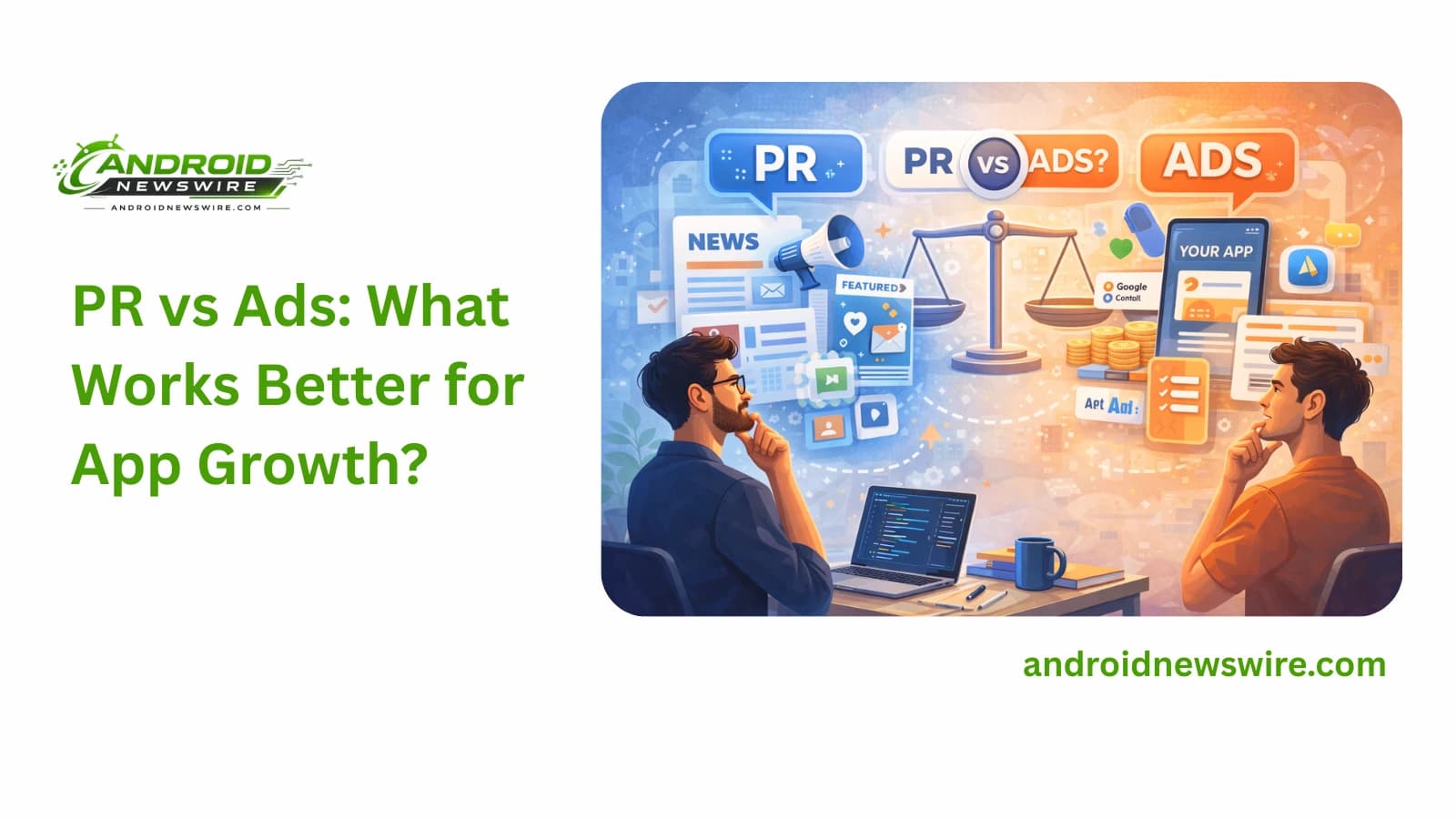
When it comes to app growth, one of the most common questions founders ask is: should I invest in PR or paid ads? Both strategies can drive visibility, but they operate very differently. Understanding their strengths and limitations helps developers make smarter decisions.
Let’s start with paid advertising. Ads offer speed and predictability. Platforms like Google Ads, Meta Ads, or Google Play Store campaigns can bring immediate traffic. You control targeting, budget, and messaging. This makes ads ideal for testing positioning, onboarding funnels, and conversion experiments.
However, ads come with a cost ceiling. The moment you stop paying, the traffic stops. This makes ads more of a faucet than a flywheel. For developers with limited budgets, sustaining long-term paid acquisition can be challenging.
PR, on the other hand, works differently. Instead of buying attention, you earn it. Media mentions, blog features, and community coverage create credibility. When users discover your app through a trusted publication, the perception is fundamentally different from an advertisement.
One of PR’s biggest advantages is compounding impact. A single feature can generate backlinks, improve SEO, and build long-term brand authority. Over time, these signals increase organic discoverability across search engines and app stores. Many startups gain early visibility through launch platforms such as Product Hunt, where community-driven discovery often amplifies PR coverage.Another key difference is trust. Users are naturally skeptical of ads but more receptive to editorial coverage. A line like “Featured on AndroidNewswire” carries weight because it implies third-party validation. This trust often translates into higher-quality users.
That said, PR is slower and less predictable than ads. You can’t control exactly when coverage happens or how widely it spreads. Results may take weeks or months to materialize. Founders who expect instant outcomes may find PR frustrating initially.
PR also requires storytelling skills. Unlike ads, where creative can be outsourced, PR often demands founder involvement. Your narrative, journey, and insights become central to the strategy. Communities like Indie Hackers often highlight these authentic founder stories and demonstrate how storytelling can drive product visibility.
So which works better? The answer depends on your stage.
If you’re in early product validation, ads can help test messaging quickly. Small campaigns can reveal which positioning resonates with users. This feedback is valuable before investing heavily in PR.Once you have product-market fit, PR becomes more powerful. At this stage, you have stories worth telling — user growth, retention success, community traction. PR helps amplify these signals and establish authority.
Many successful apps use a hybrid approach. Ads generate short-term traction, while PR builds long-term brand equity. Together, they create a balanced growth engine.
Budget also plays a role. Developers with minimal budgets often benefit more from PR-first strategies. Writing thoughtful stories and pitching journalists costs time but not money. For bootstrapped founders, this trade-off can be attractive.
Ultimately, PR and ads are not competitors — they’re tools. Ads buy attention. PR earns trust. The smartest founders understand when to use each.
If you’re building for the long run, investing in PR early can create durable advantages. Visibility fades, but credibility compounds.
And in a crowded app ecosystem, credibility is often the true differentiator.