
Google Pixel 10 Pro: Complete Guide to Google’s AI-Powered Flagship
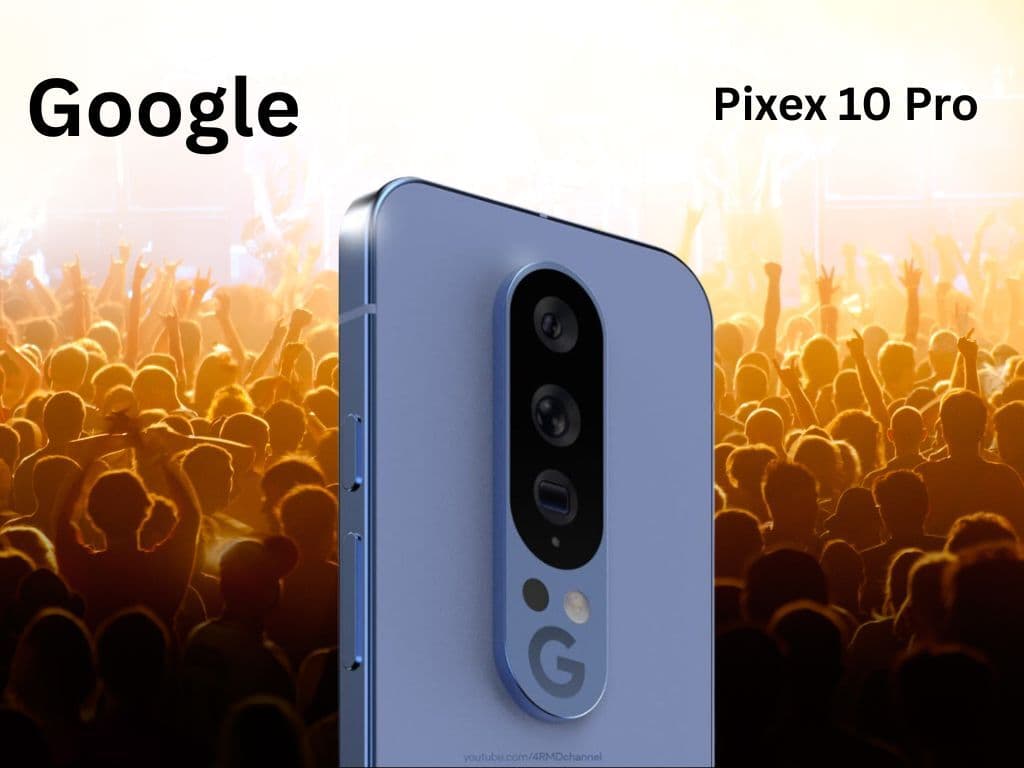
Google unveiled the Pixel 10 series in August 2025, marking a pivotal moment in the company’s smartphone evolution. The Pixel 10 Pro represents Google’s most ambitious attempt yet to demonstrate how artificial intelligence can fundamentally enhance the smartphone experience when deeply integrated throughout hardware and software. Powered by the completely redesigned Tensor G5 chip manufactured by TSMC and running the latest Gemini Nano AI model, this device showcases Google’s vision for intelligent, proactive mobile computing that anticipates your needs before you express them.
The Google Pixel 10 Pro arrives alongside the standard Pixel 10 and larger Pixel 10 Pro XL, offering consumers choice in screen size while maintaining flagship features across the lineup. With seven years of guaranteed OS updates, Pixelsnap magnetic accessory support, and camera capabilities that continue pushing computational photography boundaries, the Pixel 10 Pro challenges premium Android competitors while maintaining Google’s commitment to accessibility and user-focused design philosophy.
Tensor G5: Google’s Fresh Start With TSMC Manufacturing
The most significant upgrade in the Google Pixel 10 Pro isn’t immediately visible but fundamentally transforms the device’s capabilities and efficiency. Google has switched from Samsung’s Exynos fabrication to TSMC’s state-of-the-art N3E 3nm process node for the Tensor G5 chip, joining elite smartphones like Apple’s iPhone and Qualcomm’s Snapdragon 8 Elite in utilizing the most advanced silicon manufacturing available.
This transition delivers meaningful improvements across multiple dimensions. The Tensor G5 provides better overall efficiency, resulting in longer battery life and reduced heat generation during intensive tasks. Performance gains are noticeable in both single-core and multi-core benchmarks, though Google’s custom chip still prioritizes AI and machine learning capabilities over raw computational horsepower compared to Snapdragon alternatives.
“The Tensor G5 represents Google’s first truly custom system-on-chip design from the ground up, replacing key components including the GPU, modem, and image signal processor to achieve better efficiency, enhanced camera performance, and improved system stability.”
The Google Pixel 10 Pro benefits particularly from enhanced neural processing capabilities that power on-device AI features. The upgraded Tensor Processing Unit accelerates machine learning tasks that enable real-time translation, advanced photo processing, voice recognition, and the new Magic Cue feature that proactively surfaces relevant information during conversations and phone calls.
While this represents Google’s first generation with TSMC manufacturing, early reviews suggest the company has successfully navigated the transition without major stability issues. The Pixel 10 Pro maintains the consistent, reliable performance that users expect from Pixel devices while eliminating some of the thermal concerns and battery efficiency problems that plagued earlier Tensor generations.
Display and Design: Refined Aesthetic With Functional Innovations
The Google Pixel 10 Pro features a 6.3-inch Super Actua display with OLED technology that delivers vibrant colors, deep blacks, and excellent contrast ratios. The screen’s adaptive refresh rate dynamically adjusts between 1Hz and 120Hz depending on content, optimizing battery life during static viewing while maintaining smoothness for scrolling and gaming.
Peak brightness reaches 2,200 nits in HDR content and 3,300 nits for peak highlights, ensuring excellent outdoor visibility even in direct sunlight. While these numbers trail slightly behind Samsung’s flagship displays, real-world usability remains excellent thanks to intelligent brightness management that considers ambient lighting conditions and screen content when adjusting levels automatically.
The design language introduced with the Pixel 9 series continues with the Pixel 10 Pro, featuring the refined camera bar that’s become synonymous with modern Pixel phones. The aluminum frame and Gorilla Glass Victus 2 protection front and back provide durability without excessive bulk, keeping the device comfortable to hold despite the generous screen size. At 207 grams, the Google Pixel 10 Pro feels substantial but not burdensome, striking a reasonable balance between premium feel and practical weight.
Color options include Obsidian (black), Frost (white), Lemongrass (pale yellow-green), and Indigo (deep blue), inspired by the “Really Blue” color from the original Pixel smartphone. These choices provide personality without resorting to flashy finishes that may not appeal to professional users who prefer understated elegance.
Pixelsnap: Google’s Answer to MagSafe
Perhaps the most significant physical innovation in the Google Pixel 10 Pro is Pixelsnap, Google’s implementation of the Qi2 wireless charging standard that includes a circular magnet array for precise accessory alignment. This feature brings MagSafe-style functionality to Android, enabling a new ecosystem of magnetic cases, wallets, mounts, stands, and charging accessories.
The standard Pixel 10 Pro supports Qi2 wireless charging up to 15W with compatible chargers, while the larger Pixel 10 Pro XL exclusively supports the newer Qi2.2 standard enabling 25W wireless charging speeds. This differentiation creates a meaningful performance gap between models that may influence purchasing decisions for users who rely heavily on wireless charging.
Google’s first-party Pixelsnap accessories launched alongside the phones, including charging stands, car mounts, and cases that maintain full magnetic functionality. Third-party manufacturers have embraced the standard as well, creating a rapidly expanding accessory ecosystem that benefits Pixel users. The Google Pixel 10 Pro represents one of the first mainstream Android devices available in Western markets with integrated magnets built directly into the phone rather than requiring special cases.
While other flagship Android phones have adopted Qi2 support, most require magnetic cases to utilize the standard’s alignment features. Google’s decision to integrate magnets directly into the Pixel 10 Pro eliminates this compromise, allowing users to enjoy magnetic accessories even with minimal cases or when using the device without any case at all.
Camera System: Computational Photography Mastery
The camera configuration on the Google Pixel 10 Pro maintains the triple-camera setup from the Pixel 9 Pro, featuring a 50MP main sensor, 48MP ultrawide, and 48MP telephoto with 5x optical zoom. Google’s philosophy prioritizes computational processing and AI enhancement over raw hardware specifications, and the results consistently justify this approach.
The main sensor captures exceptional detail with natural color reproduction that requires minimal post-processing. Google’s HDR+ technology remains industry-leading, balancing highlights and shadows with remarkable effectiveness while maintaining realistic tonality. Portrait mode produces accurate subject separation with pleasing background blur that avoids the artificial appearance that plagues many competitors.
Night Sight continues improving, producing usable images in near-total darkness that rival results from much larger camera sensors. The Google Pixel 10 Pro analyzes multiple frames captured over several seconds, aligning and combining them to reduce noise while preserving detail. The advanced stabilization ensures sharp results even when shooting handheld in challenging conditions.
The 48MP telephoto camera gains new functionality in the Pixel 10 Pro with the addition of tele-macro capabilities, allowing extreme close-up photography at the 5x focal length. This feature expands creative possibilities, enabling detailed capture of small subjects like flowers, insects, or product details with impressive magnification and clarity.
“Google’s computational photography algorithms continue setting industry standards, with the Pixel 10 Pro delivering images that frequently surpass phones with technically superior camera hardware through intelligent processing and AI enhancement.”
Video recording receives significant improvements with advanced stabilization that rivals gimbal-mounted footage. The system analyzes both moving and stationary objects with greater precision, applying appropriate stabilization that maintains smooth footage without introducing the artificial, overly-smoothed appearance that aggressive stabilization sometimes produces. The Google Pixel 10 Pro captures 4K video at up to 60fps across all cameras, ensuring consistent quality regardless of which lens you’re using.
Magic Cue: Proactive AI That Actually Helps
The standout software feature exclusive to the Pixel 10 series is Magic Cue, an agentic AI assistant that proactively surfaces relevant information during conversations and phone calls. Unlike traditional assistants that require explicit commands, Magic Cue operates passively in the background, monitoring your interactions and offering contextually appropriate suggestions when they might be useful.
During text conversations in Google Messages, Magic Cue scans your Gmail, Calendar, Keep notes, and other Google services to identify information that might be relevant to the discussion. If a friend asks about your flight details, the system automatically suggests inserting your flight number and departure time extracted from your confirmation email. When discussing restaurant plans, it can surface saved location details or previous photos from that venue.
The feature works similarly during phone calls, displaying relevant information on-screen that might be useful for the conversation. All processing happens on-device using the Tensor G5’s neural capabilities, ensuring your personal information never leaves your Google Pixel 10 Pro. This privacy-focused approach distinguishes Magic Cue from cloud-based alternatives that transmit data to remote servers for analysis.
Currently, Magic Cue integration is limited to Google’s own applications including Messages, Phone, Gmail, Calendar, and Keep. Google has indicated that third-party app integration may come in future updates, though no specific timeline has been announced. This limitation reduces the feature’s utility for users who rely heavily on non-Google messaging apps or productivity tools.
Camera Coach: AI-Powered Photography Guidance
Another AI-driven addition to the Google Pixel 10 Pro is Camera Coach, a Gemini-powered feature that provides real-time photography assistance directly within the Camera app. This virtual instructor analyzes your composition and offers step-by-step guidance for improving framing, lighting, subject positioning, and other technical aspects of photography.
Camera Coach proves particularly valuable for users learning photography fundamentals or trying to capture specific types of shots. The system can suggest moving closer to your subject for more impactful portraits, adjusting your angle to improve background composition, waiting for better lighting conditions, or using specific camera features to achieve desired effects.
Unlike Magic Cue’s on-device processing, Camera Coach requires an internet connection to function as it relies on cloud-based Gemini AI for analysis and recommendations. This dependency means the feature becomes unavailable in areas without cellular or Wi-Fi connectivity, limiting its usefulness for outdoor photography in remote locations.
While Camera Coach offers genuinely helpful guidance, experienced photographers may find the constant suggestions distracting. Fortunately, the feature can be disabled for users who prefer making their own creative decisions without AI intervention. The Google Pixel 10 Pro’s camera app remains fully functional with all manual controls accessible regardless of whether Coach is enabled.
Material 3 Expressive: Android’s New Visual Language
The Google Pixel 10 Pro ships with Android 16 and introduces Material 3 Expressive, the latest evolution of Google’s design language that brings increased personalization and fluidity to the user interface. Springy animations create a more dynamic, responsive feel throughout the system, with interface elements that react naturally to touch inputs and gestures.
The refined visual approach emphasizes smooth interactions and cohesive design across system apps and Google services. Translucent effects add depth to interface layers, while improved color theming extracts accent colors from your wallpaper to create coordinated visual experiences that feel personalized and fresh.
Animation improvements extend beyond mere aesthetics, contributing to perceived performance and system responsiveness. The Google Pixel 10 Pro feels snappy and immediate during interactions, with transitions that provide visual feedback confirming your inputs have been registered. This attention to micro-interactions creates a polished experience that elevates daily smartphone usage.
Seven years of guaranteed Pixel Drops ensure the Google Pixel 10 Pro will continue receiving new features, improvements, and refinements well into the 2030s. These regular feature drops have historically included camera enhancements, new AI capabilities, interface refinements, and other additions that keep Pixel devices feeling current long after their initial release.
Battery Performance and Charging Capabilities
The Google Pixel 10 Pro houses a 4,870mAh battery that provides reliable all-day performance for typical usage patterns. The efficient Tensor G5 chip and intelligent power management enable the device to comfortably handle mixed use including social media, web browsing, photography, streaming video, and messaging without requiring midday charging for most users.
Heavy users engaging in intensive activities like gaming, video recording, or continuous navigation may deplete the battery before evening, particularly with 5G connectivity enabled and display brightness set to maximum. However, the combination of adaptive refresh rate displays, background app management, and on-device AI processing that doesn’t require constant cloud connectivity helps preserve battery life throughout extended use.
Wired charging supports up to 27W power delivery, fully replenishing the battery in approximately 100 minutes using Google’s official charger. While this charging speed falls significantly behind competitors offering 45W, 80W, or even faster charging, Google has historically prioritized battery longevity over charging speed. The company’s approach focuses on ensuring batteries maintain acceptable capacity through years of regular charging cycles rather than achieving bragging rights for fastest charging times.
Wireless charging through Pixelsnap-enabled Qi2 chargers reaches 15W for the standard Pixel 10 Pro, while the larger Pro XL supports the faster Qi2.2 standard at 25W. Both models support reverse wireless charging, allowing you to share power with accessories like Pixel Buds or Pixel Watch when you’re away from traditional charging sources.
Practical AI Without Overwhelming Complexity
One of the most refreshing aspects of the Google Pixel 10 Pro is how Google implements AI features without forcing them upon users. During initial setup, the device recommends enabling various AI capabilities including Gemini, NotebookLM, Pixel Journal, Pixel Screenshots, and Magic Cue, but clearly explains what each feature does and allows you to decline without affecting core functionality.
After setup, these AI features remain quietly available without intrusive prompts or notifications encouraging their use. Users who want to leverage advanced AI capabilities can explore and activate them at their own pace, while those preferring a more traditional smartphone experience can ignore them entirely without feeling like they’re missing essential functionality.
This respectful approach to AI integration distinguishes the Google Pixel 10 Pro from competitors that aggressively promote AI features through persistent notifications and prompts. Google seems to recognize that artificial intelligence should enhance the user experience for those who find it valuable rather than becoming an unavoidable aspect of using the device.
The AI features that are enabled provide genuine utility. Pixel Journal helps track personal reflections and memories with intelligent prompts. NotebookLM assists with understanding complex documents and research. Pixel Screenshots makes captured images searchable and actionable. These capabilities feel purposeful rather than gimmicky, addressing real user needs with practical solutions.
Comparing the Pixel 10 Pro Against Premium Competition
When evaluating the Google Pixel 10 Pro against flagship competitors, distinct advantages and compromises emerge. Compared to the Samsung Galaxy S25 Ultra, the Pixel offers cleaner software, superior computational photography, and more proactive AI assistance. However, it lacks the S Pen stylus, provides fewer customization options, and features a smaller display with less impressive brightness and resolution specifications.
Against Apple’s iPhone 16 Pro, the Google Pixel 10 Pro provides greater flexibility, broader customization capabilities, and more affordable pricing for comparable storage configurations. The Pixel also offers features like call screening, real-time translation, and spam protection that iOS cannot match. However, the iPhone delivers superior video quality, better app optimization, and tighter ecosystem integration for users invested in Apple services and accessories.
Comparing the Pixel 10 Pro to value-focused flagships like the OnePlus 13 reveals different priorities. OnePlus provides faster charging, larger battery capacity, more RAM, and aggressive pricing that undercuts Google by several hundred dollars. The Google Pixel 10 Pro counters with guaranteed seven-year updates, superior camera processing, exclusive AI features, and the peace of mind that comes from purchasing directly from the company that develops Android.
“The Pixel 10 Pro exemplifies Google’s philosophy that smartphone excellence comes from intelligent software deeply integrated with purposefully designed hardware rather than merely chasing specification sheet supremacy.”
For users prioritizing photography, software updates, and AI capabilities over raw performance or maximum battery capacity, the Google Pixel 10 Pro presents a compelling value proposition despite its premium pricing. The device succeeds at what Google does best—creating cohesive, intelligent experiences that leverage the company’s expertise in software, services, and artificial intelligence.
Is the Pixel 10 Pro Worth Your Investment?
The Google Pixel 10 Pro represents a strong evolution of Google’s flagship smartphone strategy, addressing previous weaknesses while building upon existing strengths. The switch to TSMC manufacturing for Tensor G5 delivers the performance and efficiency improvements that earlier Pixel devices needed, while Pixelsnap magnetic accessory support brings long-requested functionality to the Android ecosystem.
For current Pixel 9 Pro owners, the improvements don’t justify an immediate upgrade unless specific new features like Pixelsnap or Magic Cue address particular needs you have. The camera system remains largely unchanged, performance gains are meaningful but not transformative, and Android 16 with Material 3 Expressive will eventually come to the Pixel 9 series through regular updates.
Users with older Pixel devices or those considering switching from other Android brands will find the Google Pixel 10 Pro offers substantial advantages. The combination of Tensor G5 performance, enhanced battery efficiency, guaranteed seven-year updates, advanced AI capabilities, and best-in-class computational photography creates a comprehensive package that justifies the premium positioning.
The question ultimately centers on priorities. If you value clean Android experiences, industry-leading computational photography, proactive AI assistance, and long-term software support more than maximum specifications or lowest price, the Google Pixel 10 Pro delivers exceptional value despite its premium cost. The device demonstrates that smartphone excellence emerges from intelligent integration rather than merely assembling the highest-spec components available.
Looking Ahead: The Future of Pixel Devices
The Google Pixel 10 Pro establishes a strong foundation for future Pixel development. The successful transition to TSMC manufacturing opens possibilities for more ambitious custom silicon in coming generations, potentially narrowing the performance gap with Snapdragon and Apple’s A-series chips while maintaining the AI and machine learning advantages that distinguish Tensor processors.
Pixelsnap adoption across the Pixel lineup creates opportunities for an expanding accessory ecosystem that enhances functionality and convenience. As more third-party manufacturers embrace Qi2 and create compatible products, Pixel users will benefit from the same rich accessory market that iPhone users have enjoyed with MagSafe for years.
AI capabilities will continue advancing as Google refines Gemini integration and develops new on-device machine learning features. The seven-year update commitment ensures the Google Pixel 10 Pro will receive these improvements as they’re developed, potentially making the device more capable in 2028 or 2029 than it is at launch through software enhancements alone.
For comprehensive coverage of Pixel updates, Android developments, and mobile technology news, follow trusted sources that track the rapidly evolving smartphone landscape. Stay informed about new features arriving through Pixel Drops, official Google announcements, and industry trends that shape the future of mobile computing.